Specialized Kitchen Appliance Development: A Technical Guide for Global Brands
With the global powder coatings market projected to hit $16.22 billion in 2026, the gap between a prototype and a market-ready appliance has never been wider. You likely understand that specialized kitchen appliance development is no longer about simple assembly. It's a high-stakes race against supply chain delays and the search for specialized coating capabilities that actually last. Prototyping failures and sourcing bottlenecks often stall even the most innovative concepts before they reach the factory floor. These technical hurdles can drain budgets long before your product ever sees a kitchen counter.
This guide provides the technical roadmap you need to bypass these hurdles and secure a streamlined path to mass production. You'll learn how to integrate advanced material science with efficient OEM workflows to deliver high-performance products that meet 2026 standards. We'll examine the critical role of enamel and powder coating durability, precision R&D, and the scaling strategies required for global success. By the end, you'll have the framework to transform complex concepts into durable, market-ready assets with a reliable manufacturing partner.
Key Takeaways
Define the end-to-end process of specialized kitchen appliance development to differentiate your brand from generic, mass-market competitors.
Master the R&D lifecycle through conceptual engineering and thermal efficiency prototyping to reduce early-stage failure rates.
Leverage advanced material science, including enamel and powder coatings, to meet the high durability and aesthetic demands of 2026 consumers.
Compare OEM and ODM manufacturing models to determine the most efficient path for scaling your specific technical requirements.
Streamline your transition from concept to mass production by identifying the core capabilities needed in a global manufacturing partner.
Table of Contents
What is Specialized Kitchen Appliance Development?
Specialized kitchen appliance development is the comprehensive process of engineering, prototyping, and manufacturing high-performance cooking hardware. While the history of home appliances reflects a long move toward mass-market convenience, the 2026 landscape requires a pivot. Generic production prioritizes volume and cost reduction at the expense of longevity. Specialized development prioritizes technical precision and brand-specific performance. It's the difference between a standard heating coil and a thermal system engineered for exact temperature stability.
Regulatory shifts make this specialized focus mandatory. For example, the Safety of Household, Commercial and similar Electrical Appliances Order in India takes effect on October 1, 2026. This mandates strict compliance with BIS safety standards. In the United States, the 2026 National Electrical Code introduces new requirements for kitchen equipment demand factors. You need a manufacturing partner who acts as a technical facilitator. A simple factory won't help you navigate these complexities. You need an expert that understands how material science affects both safety and long-term durability.
The 2026 market also emphasizes sustainability and energy efficiency. Eco-conscious designs aren't just a marketing trend; they're a technical requirement for ENERGY STAR certification. Achieving these goals requires deep expertise in material science. Choosing between porcelain enamel and powder coating affects heat retention and energy consumption. A partner who understands these nuances helps you bring a superior product to market faster while ensuring it meets global efficiency standards.
The Shift from Generic to Bespoke Manufacturing
Market saturation is pushing brands to abandon generic models. If every brand sells the same air fryer, price is the only lever left to pull. Specialized features create a competitive moat. Proprietary component engineering allows you to own the user experience from the inside out. Established brands now avoid third-party distributors and branding agents. They seek direct factory partnerships to ensure quality control and protect their intellectual property. This direct link is the only way to build genuine brand equity in a crowded market.
Core Categories of Specialized Appliances
Specialized development typically falls into three high-growth categories. Precision cooking includes roaster ovens and air fryers with advanced thermal management. These units must maintain tight temperature windows to deliver premium results; for example, you can discover Southern Select Equipment to see how professional-grade pizza ovens leverage these engineering standards in commercial environments. Beverage technology focuses on high-volume coffee machines and precision-wattage kettles where consistency is key. Finally, portable equipment like BBQ grills and portable cookers requires specialized engineering for durability. These products must handle outdoor environments while maintaining the same performance as indoor appliances.
The Lifecycle of Kitchen Appliance R&D and Prototyping
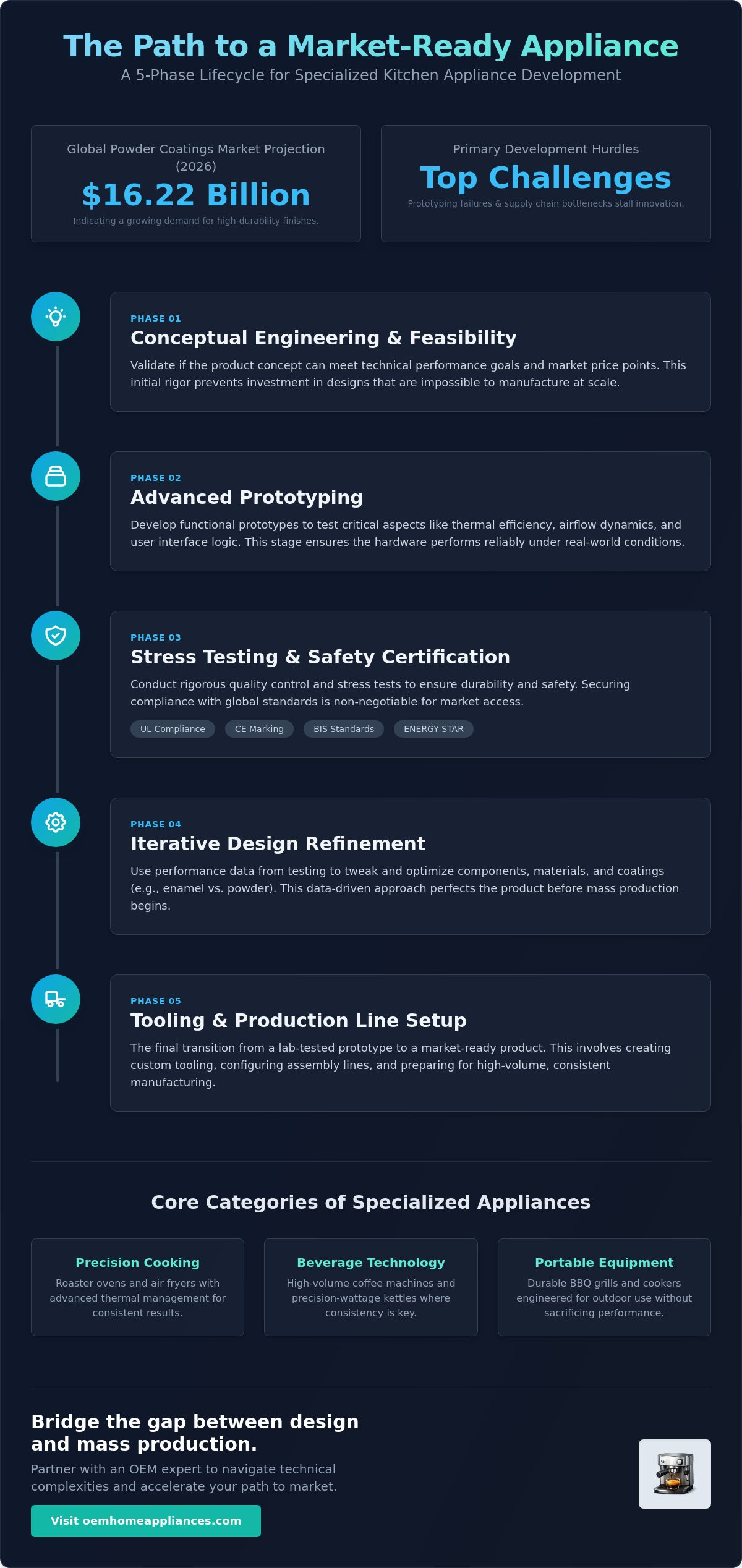
Successful specialized kitchen appliance development follows a methodical five-phase lifecycle. It begins with conceptual engineering and feasibility analysis. This phase determines if a new appliance category can meet both technical performance goals and market price points. Without this initial rigor, brands risk investing in designs that are impossible to manufacture at scale. Once the concept is validated, the process moves into advanced prototyping. This stage tests thermal efficiency and user interface logic to ensure the hardware performs under real-world conditions.
The third phase involves rigorous stress testing and safety certification. For global markets, compliance with UL, CE, and BIS standards is non-negotiable. This is where quality control in appliance production becomes the primary focus. Following certification, engineers enter an iterative design refinement phase. They use technical performance data to tweak components before the final phase: tooling and production line setup. This final step transitions the product from a lab environment to high-volume manufacturing. If you're looking to refine your technical specs, our team at oemhomeappliances.com can help bridge the gap between design and production.
Engineering for Thermal Performance
Managing heat distribution is the core challenge in specialized roaster ovens and air fryers. Engineers must optimize airflow dynamics to ensure consistent cooking results across all internal zones. In high-performance portable cooking equipment, this requires balancing insulation with ventilation to protect external components. Advanced thermostat and sensor integration further optimizes energy consumption. These sensors provide the real-time data needed to maintain precise temperatures without wasting power. It's this level of precision that separates premium hardware from generic alternatives.
Prototyping: Reducing Time-to-Market
Rapid prototyping is essential for validating specialized metal components early in the cycle. It allows brands to identify potential manufacturing bottlenecks before committing to expensive bulk production. This proactive approach ensures design consistency between the initial prototype and the final mass-produced unit. By catching mechanical flaws during the R&D phase, you avoid the high costs of mid-production changes. This methodical progression ensures that your high-performance kitchen appliances reach the market in 2026 without technical compromises. Don't underestimate the value of a physical prototype in identifying assembly issues that a digital model might miss.
Material Science: The Impact of Enamel and Powder Coating
Material selection is the technical foundation of specialized kitchen appliance development. It's not merely an aesthetic choice; it's a critical engineering decision that dictates how a product manages thermal stress and environmental wear. In the 2026 market, durability is a primary driver of brand loyalty. Professional-grade hardware must withstand thousands of heat cycles without losing structural integrity or surface finish. Choosing the right coating process ensures your product meets these rigorous performance benchmarks while maintaining a premium appearance.
Regulatory compliance also hinges on material science. The U.S. Appliance and Equipment Standards Program sets mandatory energy and safety requirements that influence material choice. For instance, high-efficiency roaster ovens require coatings that optimize heat retention and reflect thermal energy inward. This reduces the power needed to maintain cooking temperatures. By integrating advanced materials early in the development cycle, you ensure your appliances are both compliant and cost-effective to operate.
Industrial Enamel Coating Services
Specialized enamel coating remains the gold standard for high-heat kitchen appliances. This process involves fusing glass to metal at temperatures exceeding 800 degrees Celsius. The result is a non-porous, chemically inert barrier that is virtually impervious to thermal shock. In products like roaster ovens and premium cookware, enamel provides superior food safety because it won't leach chemicals or absorb odors. Our testing protocols verify resistance to chemical corrosion and extreme temperature fluctuations. This level of protection is essential for appliances that face daily exposure to high heat and acidic food components.
Precision Powder Coating for Appliance Parts
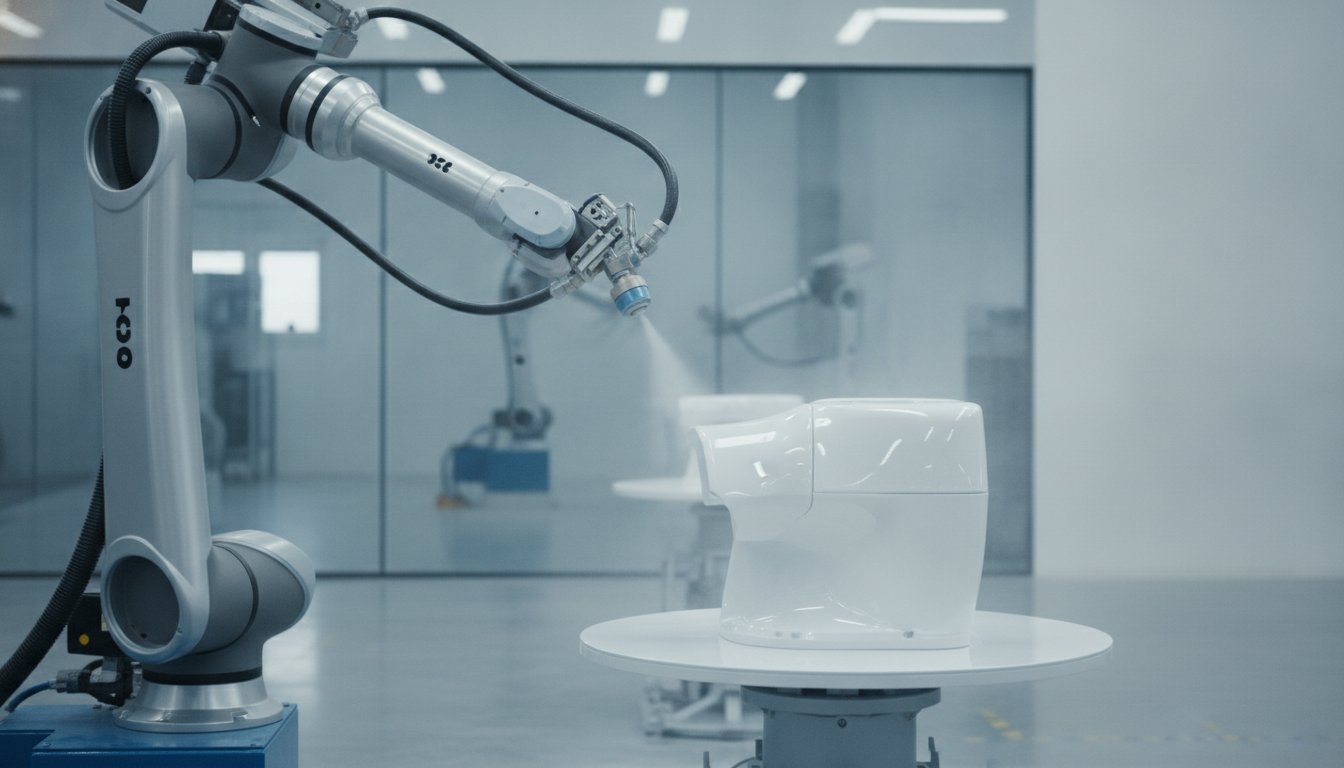
Powder-coated metal components offer significant technical benefits for appliance exteriors. Unlike traditional liquid paint, powder coating is applied electrostatically and cured under heat to create a hard, durable skin. This method provides exceptional wear resistance, making it ideal for portable BBQ grills and outdoor cooking equipment. It also allows for brand-specific color matching and texture consistency across high-volume production runs. The process is highly efficient; overspray can be recycled, which aligns with the sustainability goals of the 2026 market. For global brands, this means achieving a bespoke look without sacrificing the industrial strength required for long-term use.
Specialized kitchen appliance development requires a balance of these two technologies. While enamel handles the internal high-heat zones, powder coating protects the external chassis. This dual-material approach ensures the entire unit remains durable, safe, and visually consistent throughout its lifecycle. It's this integration of material science that transforms a standard design into a high-performance asset.
Evaluating OEM vs. ODM Models for Specialized Projects
Choosing between OEM and ODM models is a strategic decision that defines your speed to market and technical control. In specialized kitchen appliance development, the OEM (Original Equipment Manufacturing) model is the standard for brands with proprietary technology. It allows you to build hardware to your exact technical specifications. This is essential when your product relies on a unique heating system or a custom airflow design. You own the intellectual property, and the factory acts as your precision engineering arm. It's the most effective way to ensure that your specialized features aren't duplicated by competitors.
The ODM (Original Design Manufacturing) model leverages existing factory-designed platforms. This path is ideal for faster market entry or when you want to expand into a new category without starting from scratch. The global home appliance OEM and ODM market was valued at approximately $72.68 billion in 2025, reflecting the massive scale of these partnerships. Protecting your intellectual property is critical during this process. A reliable partner uses secure documentation and clear legal frameworks to ensure your innovations remain yours. Bespoke manufacturing workflows are necessary when generic platforms can't meet your specific performance requirements. If your brand equity is built on a patented cooking method, the OEM route is non-negotiable.
Choosing the Right Partner for Private Labeling
Scaling requires a factory with the capacity for high-volume specialized production. An "all-in-one" solution provider manages everything from initial R&D to final powder coating or enamel finishing. This vertical integration reduces communication gaps and speeds up the production cycle. Many established brands prioritize custom roaster oven manufacturing partners who offer this level of integrated expertise. It ensures that the technical vision established during the prototyping phase is maintained throughout the entire run. You don't want your design intent lost between different vendors.
Quality Control Standards in Global Production
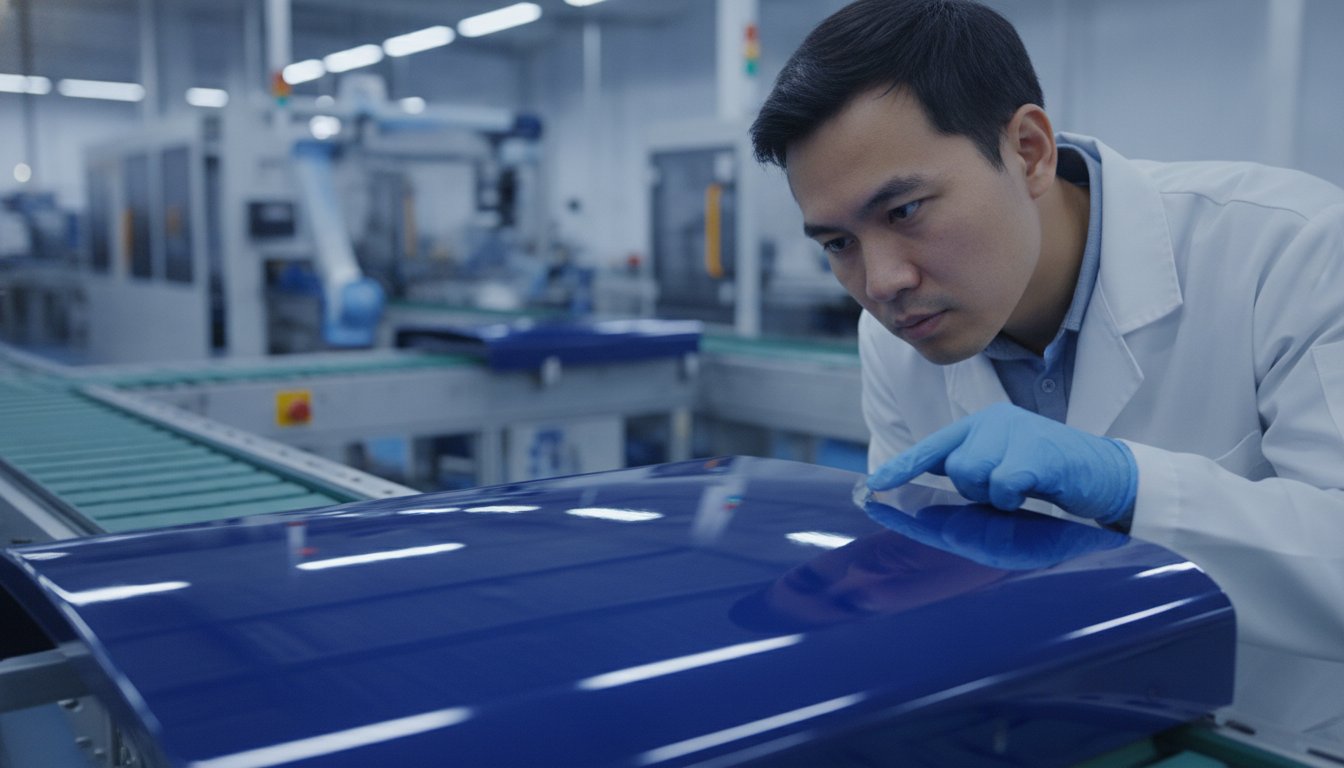
Rigorous inspection protocols are the backbone of a successful product launch. For specialized metal components, you need precise measurements and material verification to avoid assembly failures. Consistency is the primary challenge when producing bulk orders of rice cookers and air fryers. Each unit must perform identically to the certified prototype. Traceability is another critical factor for 2026. You must be able to track every component through the supply chain to ensure ethical sourcing and material quality. This transparency builds trust with global retailers and protects your brand from liability. If you're ready to scale your next project with a partner that understands these technical demands, view our manufacturing capabilities.
Partnering with oemhomeappliances for Scalable Growth
oemhomeappliances serves as a dedicated backbone for global brands aiming to master specialized kitchen appliance development. We provide comprehensive product design and development services that bridge the gap between engineering concepts and market-ready hardware. Our expertise in high-quality private label manufacturing spans multiple categories. We offer specialized technical solutions like industrial enamel coating and precision powder-coated metal components. Because we maintain a strict B2B focus, we don't engage in direct-to-retail sales. This ensures we never compete with our partners in the marketplace. It's a partnership built on stability and long-term trust. We act as a silent but powerful engine for your brand's global success.
Our role is that of a "Trusted Expert Facilitator." We understand the nuances of rebranding and the technical demands of private labeling for elite markets. By providing a stable manufacturing environment, we allow you to focus on marketing and distribution while we handle the complexities of production. Our facility is designed for high-volume scaling, ensuring that as your brand grows, your supply chain remains resilient. We prioritize precision in every component, from the internal heating elements to the final exterior finish. This commitment to quality ensures that your products meet the high performance standards expected in 2026. For brands serving the professional culinary market, you can learn more about Operational Chef Consultant to find the staffing expertise required to complement high-end kitchen equipment.
Our Manufacturing Diversity
Our production capabilities accommodate a wide range of kitchen hardware needs under one roof. We manage high-volume manufacturing for roaster ovens, rice cookers, and high-performance blenders. We also maintain a specialized focus on portable cooking equipment and BBQ grill manufacturing for outdoor markets. Each project benefits from our advanced finishing capabilities. Whether you need the extreme heat resistance of industrial enamel or the aesthetic durability of powder coating, our facility is equipped for precision. This diversity allows brands to scale multiple product lines without managing dozens of different vendors. We handle the technical integration so your entire catalog maintains a consistent level of quality.
The Path to Engagement
We follow a methodical, consultative approach to technical appliance development. Our process starts by identifying your specific business needs and technical requirements. We then move through streamlined prototyping and R&D workflows designed for 2026 market readiness. This ensures that your products meet the latest safety and efficiency standards before hitting the production line. We prioritize clear communication and technical stability at every stage of the journey. We don't just build products; we build the infrastructure for your brand to expand globally. Ready to bring your high-performance hardware to life? Contact oemhomeappliances for specialized development solutions today to begin your consultation.
Scaling Your Vision with Technical Precision
Success in the 2026 market requires more than a standard manufacturing contract. It demands a deep integration of material science and a methodical R&D lifecycle. By mastering the complexities of specialized kitchen appliance development, your brand can move from a technical concept to global distribution without the common pitfalls of prototyping failure or supply chain delays. You now have the framework to evaluate manufacturing models and select a partner that prioritizes your technical standards over generic volume.
oemhomeappliances provides the stability and expertise needed for high-volume scaling. It's our priority to ensure your product is market-ready and compliant with global safety regulations through a dedicated OEM/ODM R&D workflow. With a specialized focus on enamel and powder coating, we deliver the industrial durability required for premium hardware. We maintain a state of global manufacturing readiness to empower your brand's growth. Partner with a Trusted Expert Facilitator for Your Next Appliance Launch. Your next innovation deserves a partner that understands the nuances of precision engineering. Let's secure your market position together.
Frequently Asked Questions
What is the difference between OEM and ODM in kitchen appliance development?
OEM (Original Equipment Manufacturing) involves building a product according to your exact technical specifications. You retain full ownership of the design and intellectual property. In contrast, ODM (Original Design Manufacturing) allows you to select and brand a product already designed by the factory. OEM is the preferred choice for specialized kitchen appliance development when your brand requires unique features or proprietary thermal systems that aren't available on generic factory platforms.
How long does the prototyping phase typically take for a specialized appliance?
The prototyping phase for a specialized appliance generally spans 4 to 12 weeks. This timeline includes conceptual engineering, thermal efficiency testing, and iterative design refinements. Simple modifications to existing platforms sit at the shorter end of this range. Completely new appliance categories requiring custom metal components and advanced sensor integration will take longer. Establishing a clear R&D workflow early in the process helps prevent unexpected delays during this critical validation stage.
Why is enamel coating preferred over traditional non-stick surfaces for roaster ovens?
Enamel coating is preferred for roaster ovens because it provides a non-porous, glass-fused barrier that survives extreme heat without degrading. Unlike traditional non-stick surfaces, enamel doesn't leach chemicals or absorb food odors at high temperatures. It offers superior resistance to thermal shock and chemical corrosion from acidic foods. This makes it the industrial standard for premium cooking hardware where food safety and long-term durability are the primary technical requirements.
Can oemhomeappliances handle high-volume production for global retail brands?
Yes, oemhomeappliances is specifically equipped to handle high-volume production for global retail brands. Our facility manages large-scale manufacturing across categories like air fryers, blenders, and rice cookers. We use automated production lines to maintain consistency across thousands of units. This scalability is supported by a robust supply chain that ensures specialized component sourcing stays on schedule, even during periods of high market demand or seasonal peaks.
What certifications are required for specialized kitchen appliances in 2026?
Key certifications for 2026 include UL 1026 for cooking appliances in the US and EN IEC 63437:2026 in Europe. India mandates compliance with the Safety of Household Electrical Appliances Order starting October 1, 2026. Appliances must also meet updated 2026 National Electrical Code requirements regarding demand factors. Navigating these safety standards is a core part of specialized kitchen appliance development to ensure your products are legally compliant in every target market.
Does oemhomeappliances provide bespoke metal component finishing?
We provide comprehensive bespoke metal component finishing, including both industrial enamel and powder coating services. These finishes are applied using precision equipment to ensure brand-specific color matching and texture consistency. Our in-house finishing capabilities allow us to control the quality of every component, from the internal heating chamber to the external chassis. This vertical integration reduces the risk of surface defects and ensures that every unit meets your aesthetic and functional standards.
How does specialized development impact the final unit cost of an appliance?
Specialized development often results in a higher initial R&D investment but leads to a more competitive final unit cost through improved manufacturing efficiency. By optimizing the design for mass production early, you reduce material waste and assembly time. High-performance materials like enamel also lower the long-term costs associated with product returns and warranty claims. This strategic approach ensures that the final product offers better value and durability than generic, mass-market alternatives.
What are the benefits of powder coating for portable cooking equipment?
Powder coating provides exceptional wear resistance and environmental protection for portable cooking equipment. It creates a hard, durable skin that resists scratches, chipping, and corrosion better than traditional liquid paint. This is particularly important for outdoor BBQ grills and portable cookers that face exposure to the elements. The electrostatic application process also ensures total coverage of complex metal parts, providing a consistent finish that maintains its professional appearance over years of heavy use.

Comments